The right restraint is decided by the load, not by the catalogue page
A load that shifts in transit becomes a claim, a roadside fine or a lost customer. Choose the vehicle and the cargo you are working with below, and we will show you what that job actually uses — and the standard behind it.
- Manufacturer direct — we weave our own webbing, so capacity, colour and width are controlled in-house.
- Marked to a standard — LC and the standard on every label, tied to a batch pull-test record.
- Fitted to your anchor point — E-track, chain anchor, J-hook, double-J, swan hook, flat snap hook, chain end.
- Kits or individual straps — buy what you need, or one packed kit with one article number.
- Documents handled — declaration of conformity, test report and packing list with the shipment.
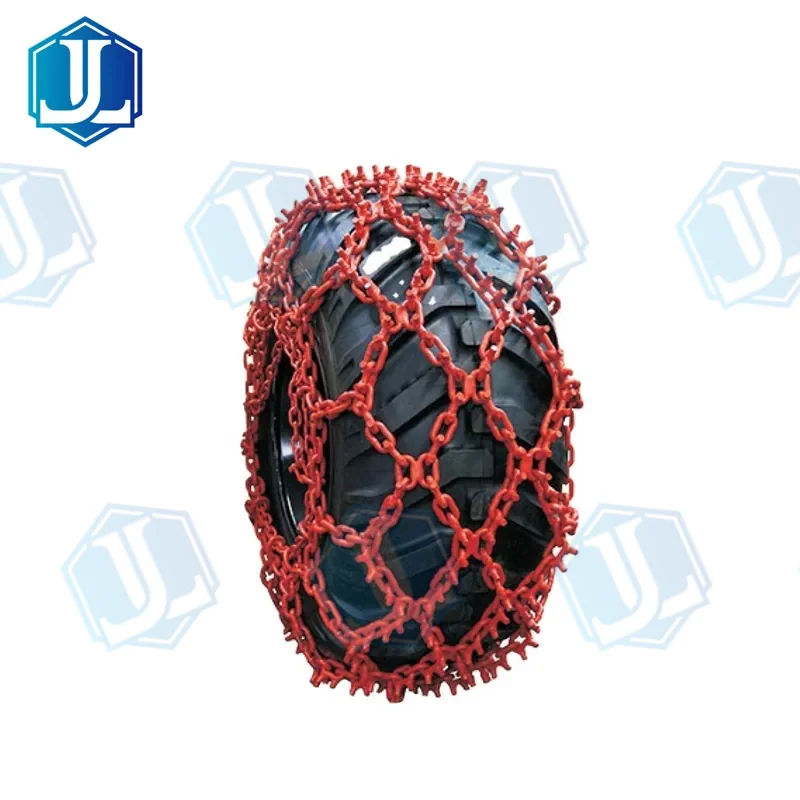
Six jobs, and what each one actually uses
The same 50 mm strap is not the answer to every load. These are the six ways our customers use cargo control, and the products each one draws on.
Flatbed, step-deck & lowboy
Winch straps along the side rail for the routine part of the load, and 50 mm or 75 mm ratchet straps with the right end fitting for the awkward pieces. Long lengths, high lashing capacity and hooks that suit the anchor points on your trailer.
Containers & intermodal
Straps that tension quickly and release cleanly in a confined space: 35 mm and 50 mm ratchet straps, E-track and chain-anchor ends, and edge protectors where the webbing meets a sharp corner.
Curtain-siders, vans & light commercial
Lighter cam-buckle and 25 mm ratchet straps for pallets, roll cages and racking, sized so a driver can tension them one-handed without a tool. Tidy, low-profile and quick to stow.
Car carriers & vehicle transport
Soft loop and axle straps that grip the wheel or the chassis without marking paint or alloy, plus over-wheel straps, wheel chocks and the tie-downs that keep a vehicle from walking on a long motorway run.
Heavy haul & machinery
High-capacity 75 mm and 100 mm ratchet straps, grade-80 and grade-100 chain with load binders, round slings and shackles for the loads that decide the route rather than the schedule.
Towing, recovery & yard work
Snatch straps, tow straps with reinforced eyes, ratchet tie-downs for plant and attachments, and the everyday straps a yard runs through fastest — held as stock so a re-order does not stop the job.
Three questions, in this order
Most restraint mistakes are made in the wrong order: the strap is chosen first and the anchor point is discovered later. Start at the anchor point and the rest follows.
| EN 12195-2 | Web lashing made from man-made fibres — the European standard for lashing straps, and the basis of the lashing capacity (LC) marking on our labels. |
|---|---|
| AS/NZS 4380 | Load restraint systems for the Australian and New Zealand transport market, including the common 50 mm / LC 2500 daN sizes. |
| WSTDA T-1 | The US recommended practice for synthetic web tie-downs, widely used by North American distributors as a purchasing reference. |
| FMCSA 393.100 | The US cargo securement rules a carrier is inspected against — the reason the number and rating of tie-downs on a load is not a matter of opinion. |
| Your own specification | Many of our customers buy to their own drawing or to the specification of their national distributor association. Send it and we will quote against it. |
Start from the anchor point
A strap is only as good as what it hooks onto. E-track, chain anchor, D-ring, stake pocket or plain rail — send a photo of the anchor point and we will specify the end fitting first, then the strap.
Then size the lashing capacity
Capacity is set by the load, the number of straps and the lashing angle — not by gross weight alone. If you know the load and the anchor points, we can size it with you.
Then choose webbing or chain
Webbing for painted and polished surfaces, quick tensioning and general freight; chain for sharp edges, abrasion, heat and the highest capacities. Many vehicles carry both, and that is normal.
The ranges this work draws on
Every family is made in our own factory, and every item can be built to your own specification — width, length, colour, end fitting and packing.
Ratchet Tie Down
Ratchet tie down straps with J-hook, double-J hook, swan hook, snap hook, E-track and chain anchor ends. 25 mm to 50 mm webbing, 800 kg to 5 T break strength, AS/NZS 4380 and EN 12195-2 compliant.
76 products →Chain
Load binder chain assemblies, grade 70 transport chain and chain shortening components.
23 products →Rigging hardware
Hooks, buckles, ratchet handles, D-rings, O-rings, wire rope clips and other rigging components.
67 products →Other Accessories
Edge protectors, wear sleeves, storage bags, labels and the small parts that complete a cargo control system.
12 products →Car Lashing Strap
Over-the-wheel and body-mounted car lashing straps for vehicle transport and recovery.
2 products →Cargo control — FAQ
How do I work out how many straps I need?+
It is the anchor points and the lashing angle that decide it, not just the gross weight. Tell us the vehicle, the cargo, the anchor points you have and the route, and we will size the lashing capacity and the number of straps — that is a normal part of quoting.
Webbing straps or chain — which should I use?+
Webbing is lighter, does not scratch painted or polished surfaces, and is quicker to tension; it is the default for general freight. Chain is the choice for sharp edges, hot cargo, abrasive loads and the highest capacities, and it usually pairs with a load binder. Many vehicles carry both.
Do you supply straps marked to EN 12195-2?+
Yes. Lashing straps are marked with the lashing capacity and the standard they are made to, and the marking is tied to a batch pull-test record. The declaration of conformity is supplied with the shipment.
Can I get straps to fit E-track or a chain anchor?+
Yes — E-track ends, chain anchors, J-hooks, double-J hooks, swan hooks, flat snap hooks, ratchet ends and winch ends are all in regular production. Send a photo of the anchor point and we will match it.
Do the straps come with a stated lashing capacity?+
Every lashing strap is labelled with its lashing capacity (LC) in daN and the standard it meets. The label number is traceable to the batch test record in our files.
Can you supply a complete kit rather than individual straps?+
Yes. Many customers buy a flatbed or container kit: straps in two or three lengths, edge protectors, and a storage bag, packed as one item with one article number. Tell us the vehicle and we will put the kit together.
Other ways we work with buyers
Request a Quote
Send your specification — width, length, capacity, quantity — and get a price, a lead time and a sample offer within 12 hours.
Get a price →OEM & Private Label
Your brand on the webbing, the label and the carton. Woven-in logos, custom colours and retail packaging from a low trial quantity.
Private-label details →Lifting Solutions
Round slings, flat webbing slings and endless slings, colour-coded to EN 1492, with the safe working load and inspection rules you need.
See the lifting range →Tell us the load, we will size the restraint
Vehicle, cargo, anchor points, route — four answers are usually enough for us to recommend the product, the lashing capacity and the quantity.