Chain
Four different jobs share the word chain, and they are not interchangeable: grade 80 and grade 100 alloy lifting chain to EN 818, G70 transport chain and load binders for cargo on the road, tire and forestry chain for traction, and light-duty links and hooks. Tell us the job and we will quote the grade that belongs on it — and tell you plainly when a chain is the wrong answer.
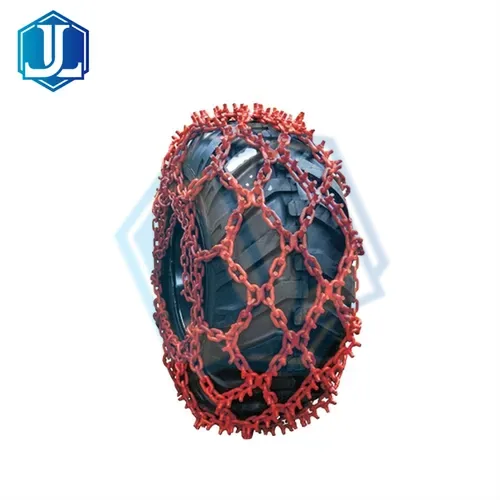
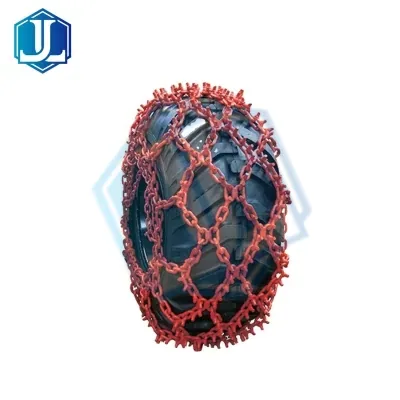
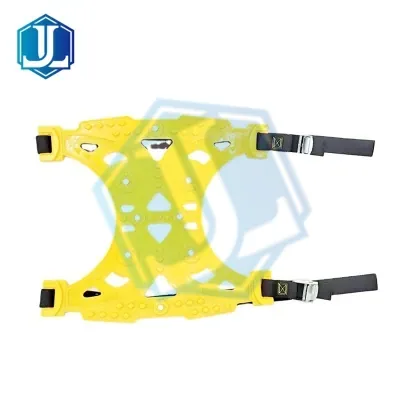
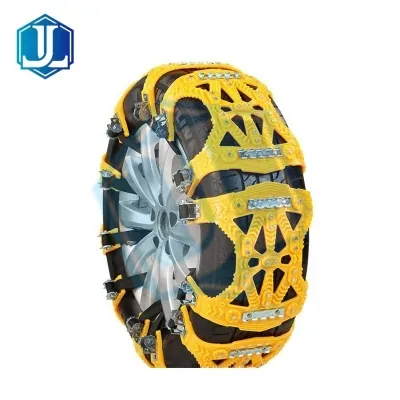
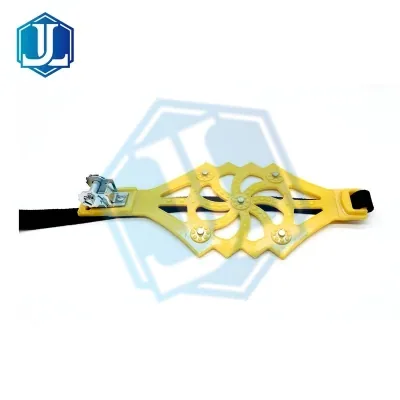
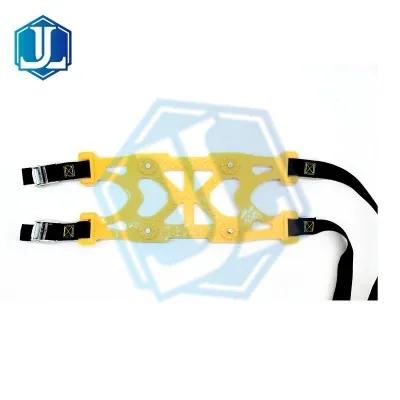
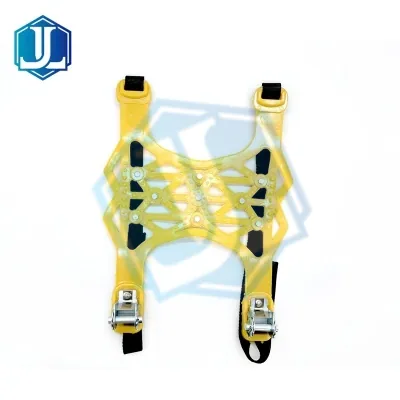
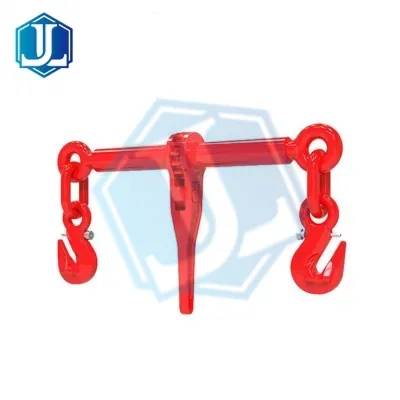
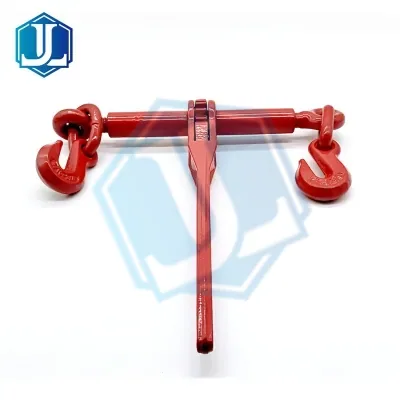
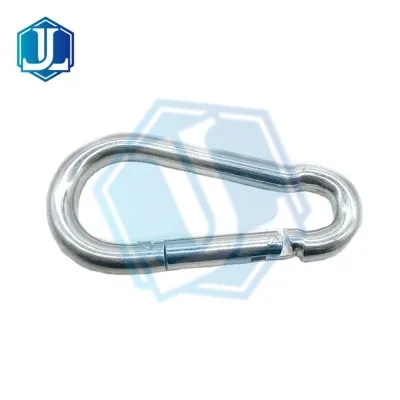
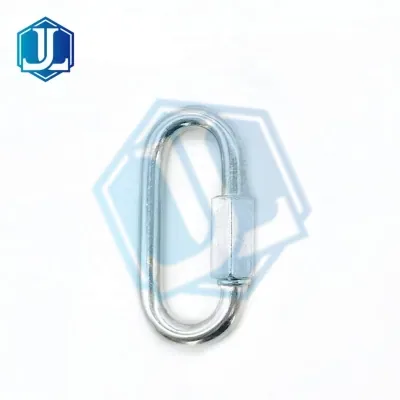
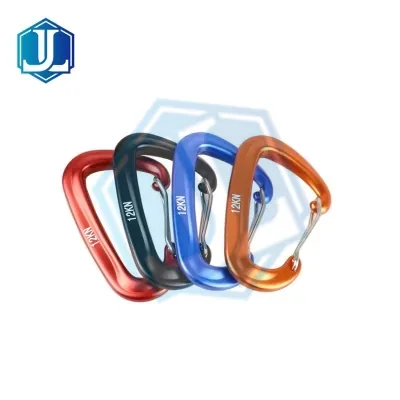
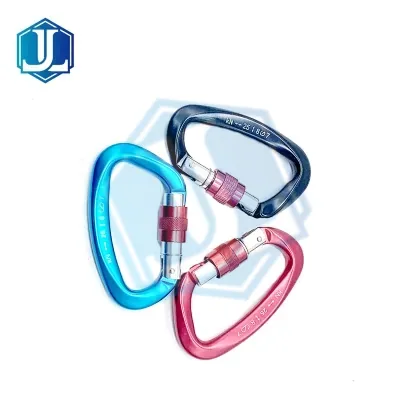
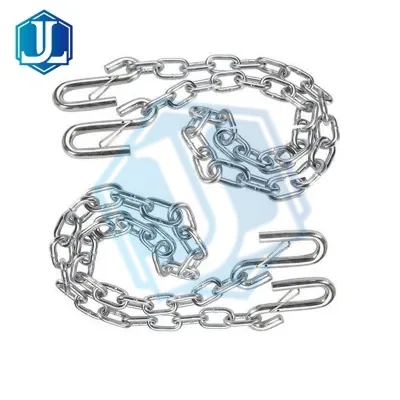
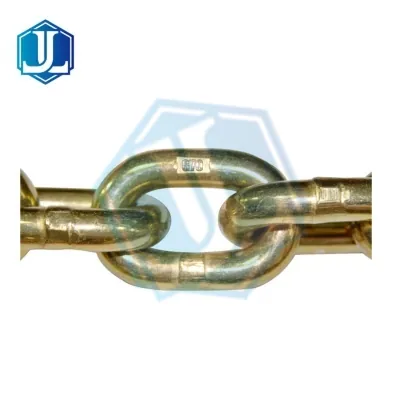
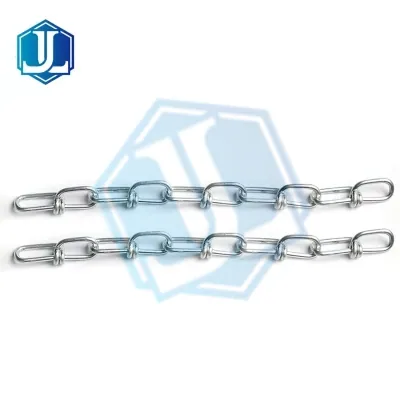
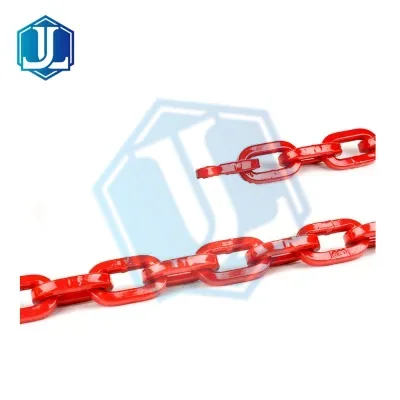
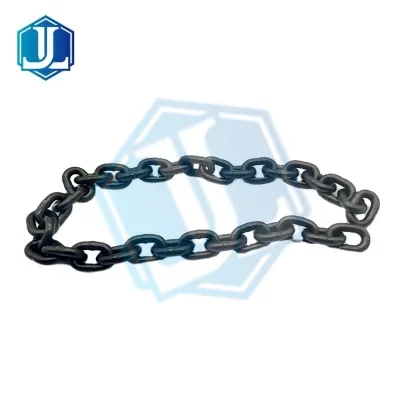
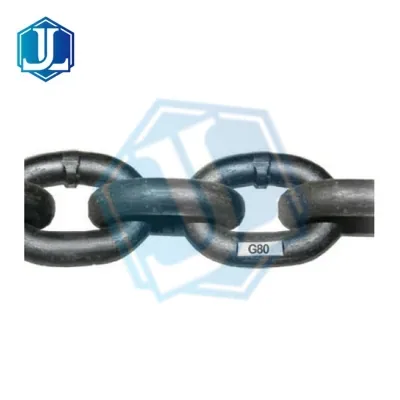
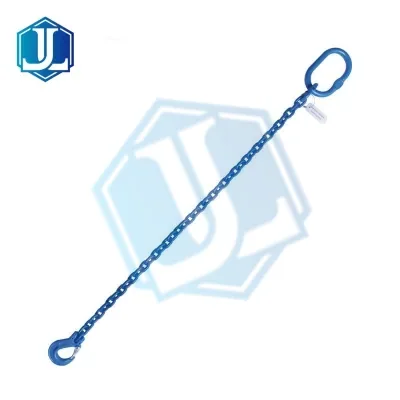
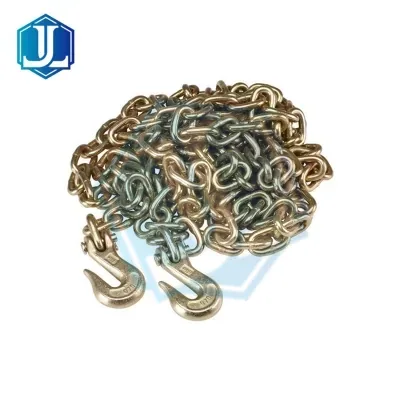
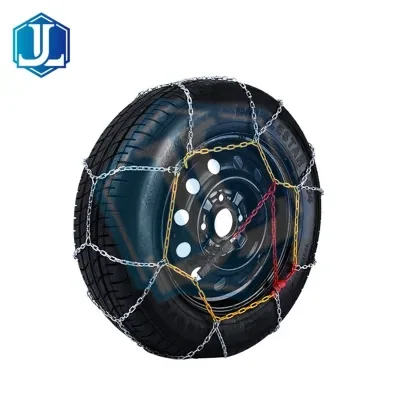
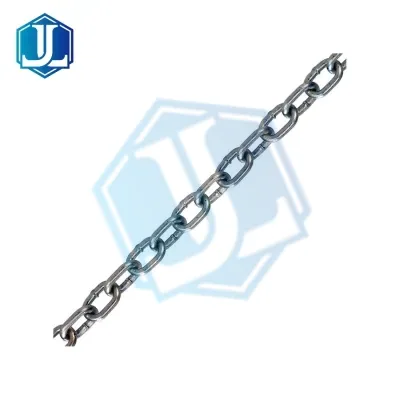
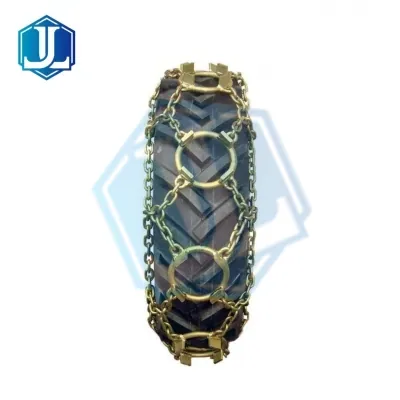
Four jobs share the word chain — only one of them is allowed overhead
A buyer asking for chain may want any of the four groups below. They are made from different steel, tested to different standards and rated in different ways. The version of this mistake that hurts people is putting a transport chain into a lift: G70 chain is very good at holding a load on a trailer and is never allowed overhead.
Start from the job, not from the photograph. If the load leaves the ground, you are buying alloy lifting chain to EN 818 and nothing else.
| Group | Standard and grade | What it is for | Never use it for |
|---|---|---|---|
| Lifting chain | G80 to EN 818-2, G100 to EN 818-8, slings to EN 818-4 | Overhead lifting and chain slings | Anything cheaper — it is the expensive option |
| Transport binding chain | G70 to ASTM A413 / NACM, G30 proof coil | Securing cargo on flatbeds, towing | Overhead lifting, ever |
| Tire and forestry chain | No lifting standard: TPU, alloy steel, U-stud, square link | Traction in snow and mud, protecting skidder tires | Lifting, towing or recovery |
| Small links and hooks | DIN 5299 snap hook, screw-gate quick link, 7075 aluminium carabiner | Light duty, outdoor and utility | Lifting — a kN figure is not a working load limit |
Grade numbers are a duty rating, not a quality ranking
The grade tells you what the chain was heat treated and tested to do. Higher is not automatically better for the job in front of you: a G70 transport chain is the right answer on a flatbed and the wrong answer on a crane hook.
The table below is the working load limit table used for cargo securement in the United States, from 49 CFR 393.108. Notice that the columns are not simply in order of grade — at some sizes a G70 chain is rated above a US G80 alloy chain. Read the tag on the chain you actually have, not the grade you think you bought.
| Size | G30 proof coil | G43 high test | G70 transport | G80 alloy | G100 alloy |
|---|---|---|---|---|---|
| 1/4 in (7 mm) | 1,300 lb | 2,600 lb | 3,150 lb | 3,500 lb | 4,300 lb |
| 5/16 in (8 mm) | 1,900 lb | 3,900 lb | 4,700 lb | 4,500 lb | 5,700 lb |
| 3/8 in (10 mm) | 2,650 lb | 5,400 lb | 6,600 lb | 7,100 lb | 8,800 lb |
| 1/2 in (13 mm) | 4,500 lb | 9,200 lb | 11,300 lb | 12,000 lb | 15,000 lb |
| 5/8 in (16 mm) | 6,900 lb | 13,000 lb | 15,800 lb | 18,100 lb | 22,600 lb |
Lifting chain: what EN 818 actually asks for
Grade 80 lifting chain to EN 818-2 is alloy steel, quenched and tempered. It is proof loaded at 2.5 times the working load limit in manufacture, it has to reach four times that before it breaks, and it has to stretch at least 20% first. That elongation is the margin you can see: the chain gives before it lets go.
Grade 100 to EN 818-8 goes through the same route with a higher alloy and returns roughly 25% more capacity in the same size — but only when every part of the assembly is grade 100 too. A G100 chain with a G80 hook on the end is a G80 sling with an expensive chain on it.
One more trap that catches buyers: EN 818-2 is sling chain, made to a medium tolerance. A chain hoist needs EN 818-7 hoist chain, made to a fine tolerance so it seats in the sprocket. Sling chain in a hoist will jam or slip, however good the chain is.
| Chain size (mm) | WLL, straight lift (t) | Min breaking force (kN) | Where it is usually specified |
|---|---|---|---|
| 6 | 1.12 | 45.2 | Light fabrication and small slings |
| 7 | 1.5 | 61.6 | Workshop and general lifting |
| 8 | 2.0 | 80.4 | The most common general-purpose size |
| 10 | 3.15 | 126 | Machinery, moulds, plant maintenance |
| 13 | 5.3 | 212 | Steel fabrication and structural lifts |
| 16 | 8.0 | 322 | Heavy plant, two and four leg slings |
| 20 | 12.5 | 503 | Heavy industry, large castings |
| 26 | 21.2 | 850 | Shipyard and press work |
Heat takes capacity away, permanently
The strength of alloy chain comes from heat treatment, and heat treatment is undone by heat. Above about 200 °C the working load limit has to be derated, and past 400 °C the chain has to come out of service whether it looks damaged or not. Chains that come back from a foundry with straw or blue discoloration have already lost it.
Cold is kinder: alloy lifting chain is rated down to minus 40 °C without derating, which is why it stays the default choice for outdoor winter work where a textile sling would need protecting.
| Working temperature | Allowed working load limit | What to do |
|---|---|---|
| -40 °C to 200 °C | 100% | Normal use |
| 200 °C to 300 °C | 90% | Derate the sling and record it |
| 300 °C to 400 °C | 75% | Derate the sling and record it |
| Above 400 °C | Do not use | Take the chain out of service |
Transport chain and binders — holding a load down, not lifting it up
G70 transport chain is the gold chromate chain on flatbeds. It is heat treated carbon steel, proof tested to twice its working load limit, and marked with the grade on the links so a roadside inspector can read it in seconds. It is not alloy lifting chain, and putting it into a lift is the most common chain misuse there is.
The binder is what makes the chain useful. A ratchet binder takes up tension in small steps and is the safer choice under high tension; a lever binder is quicker and needs a clear stance, because the handle releases stored energy when it goes over centre. Match the binder rating to the chain rating — the assembly is only as strong as its weakest part.
| Part | What it does | What to check |
|---|---|---|
| G70 transport chain | Cargo securement on flatbeds and lowboys | Grade marking on the links; never use overhead |
| G30 proof coil / trailer safety chain | Backup connection between trailer and tow vehicle | Sized to the trailer gross weight, crossed under the coupler |
| Ratchet load binder | Tensions the chain in small steps | Take-up length and the rating stamped on the body |
| Lever binder | Fast tensioning by hand | Handle kickback; keep yourself out of the arc |
| Grab hook and wing hook | Takes up slack, hooks to the rail or rub rail | It seats one link, so it is not a full bearing end |
Tire and forestry chain — traction and tire protection, no lifting rating
These chains are sold by tire size, not by working load limit, because that is not what they do. A TPU (polyurethane) snow chain is light, quiet on the road and quick to fit by hand. A steel studded or ladder chain bites harder on ice and outlasts plastic on gritted roads. A forestry chain is a cage of U-studs or square links wrapped around a skidder tire so slash and stumps cut the cage instead of the carcass.
None of them carries a WLL. Fit them to the driven axle, keep to the speed printed in the fitting instructions, and take them off once the road is clear — they are not made for bare asphalt or for highway speeds.
| Type | Where it works | Why it is chosen |
|---|---|---|
| TPU / polyurethane snow chain | Cars and vans in occasional snow | Light, quiet, fits without jacking the car |
| Steel studded or ladder chain | Ice, steep grades, repeated winter use | Bites harder and outlasts plastic |
| U-stud and double diamond forestry chain | Skidders and forwarders | Armours the tire against stumps and slash |
| Square link forestry chain | Logging and heavy forestry work | More bite and more open space to shed mud |
Small links: the marking is the whole specification
DIN 5299 snap hooks, screw-gate quick links and 7075 aluminium carabiners arrive in the same enquiry, and they are not the same class of product. The steel ones are zinc plated or stainless hardware for light duty, camping and general utility, and they are sold on size and finish rather than on a rated lifting capacity.
The aluminium carabiners carry a kilonewton figure from climbing-style testing. That is not a working load limit, there is no 4:1 lifting design factor behind it, and an aluminium body has no place in an overhead lift. If a part does not carry a grade, a WLL and a manufacturer's mark, treat it as a utility part and keep it out of the lift.
When a chain comes out of service
Lifting chain is looked over before every lift by the person using it, and it is inspected thoroughly by a nominated person at least once every twelve months, with the result written down and kept. The thresholds below are the ones inspectors work to, and they are not negotiable: a chain that fails any of them is replaced, not repaired.
Repairing a lifting chain in the workshop is not an option. Welding destroys the heat treatment that gives the chain its rating, and the joint becomes the weakest point in the assembly.
| Condition | Threshold | Action |
|---|---|---|
| Wear at any point of a link | More than 10% of the nominal diameter | Remove from service |
| Stretch | A five-link section grown by more than 5% | Remove from service and destroy |
| Bent, twisted or cracked links | Any | Remove from service |
| Heat damage — discoloration, weld spatter | Any | Remove; the temper is gone |
| Missing or unreadable tag | Any | Remove; the WLL cannot be verified |
Questions buyers ask before ordering
Can I use grade 70 transport chain for lifting?+
No. G70 is heat treated carbon steel made and tested for cargo securement on the road. It is not alloy lifting chain, it carries no 4:1 lifting design factor, and every manufacturer marks it as not for overhead lifting. If the load is going in the air, specify G80 or G100 chain to EN 818 and match the fittings to it.
What is the real difference between G80 and G100 lifting chain?+
About 25% more capacity in the same chain size, for a higher price. You only get that 25% if the whole assembly is grade 100: chain, master link, hooks and any shortening clutch. Mixing grades gives you the lowest grade's rating, so a G100 chain with G80 hooks on it is a G80 sling.
Is a 10 mm chain the same as a 3/8 in chain?+
Close enough to order the wrong thing. 10 mm is 0.394 in, so the two are neighbours but not identical, and EN chain and US chain differ in pitch and inside width as well. Buy the chain and its fittings in one system: metric EN chain with metric fittings, or US chain with US-sized hooks and binders.
Can I shorten a chain sling on site?+
Only with a shortening clutch or a grab hook made for that chain size and grade. Never knot a chain, never bolt two links together and never weld one. Welding destroys the heat treatment that gives the chain its rating, and the joint becomes the weakest point in the lift.
How often does lifting chain have to be inspected?+
A visual check by the user before every lift, plus a thorough documented inspection by a nominated person at least once every twelve months, and more often in severe service. Take the chain out of service if any link is worn by more than 10% of its diameter, if a five-link section has stretched by more than 5%, or if there is a bend, a twist, a crack, heat discoloration or an unreadable tag.
Do you cut chain to length and supply certificates?+
Yes. We supply chain by the metre or cut to a stated length, and we build single, two, three and four leg slings to EN 818-4 with matched G80 or G100 fittings. Every assembly is proof loaded and ships with a certificate carrying the grade, size, working load limit and a serial number. Third-party inspection through TÜV or SGS can be arranged on request and adds lead time.
TPU snow chain or steel chain — which one should I stock?+
Steel lasts longer and bites harder on ice. TPU is lighter, quieter, kinder to the wheel arch and far quicker to fit at the roadside, which is why most private cars run it. For a private driver who meets snow a few times a season, stock TPU; for a working vehicle that goes out every day in winter, stock steel.
Browse Chain by type
Need chain to your own specification?
Widths, lengths, colors, logo printing, hook types and packaging — all made to order. Send your drawing or reference sample.