Rigging hardware
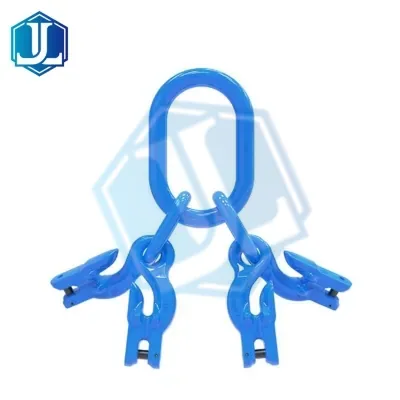
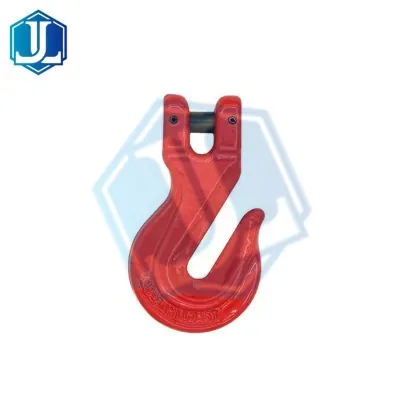
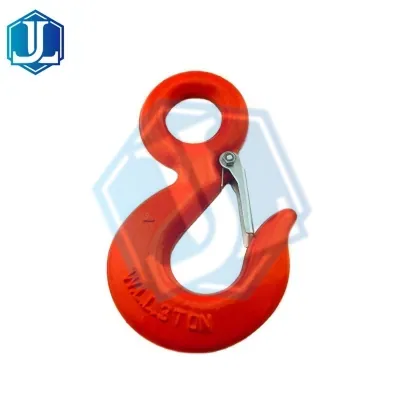
Forged rigging components for chain slings and wire rope systems: G80 and G100 sling hooks, grab hooks, self-locking hooks, bow and D shackles, master links, hammerlocks, swivels, turnbuckles, wire rope clips, thimbles and ferrules. The grade marked on the fitting has to match the chain it goes on — tell us the chain grade and size and we will match the end.
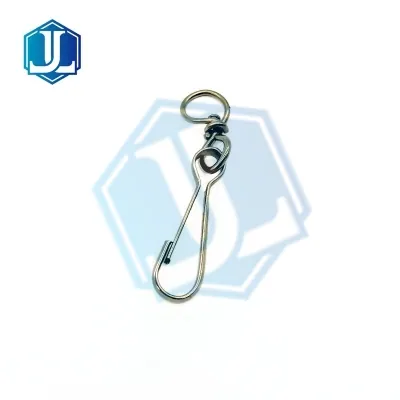
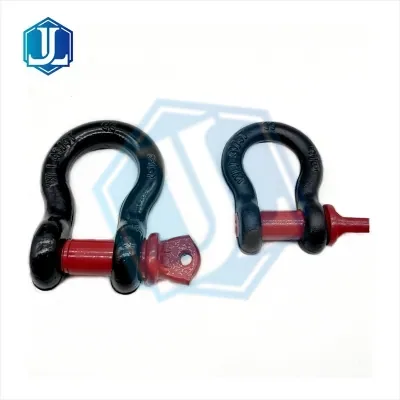
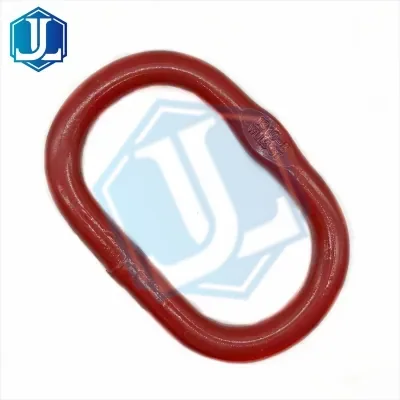
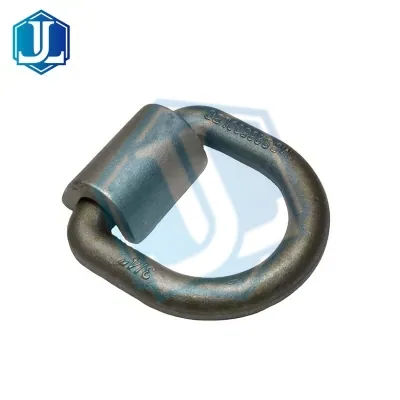
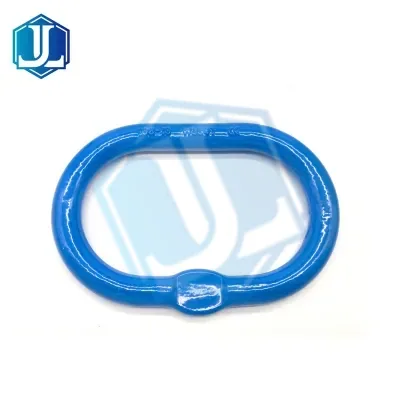
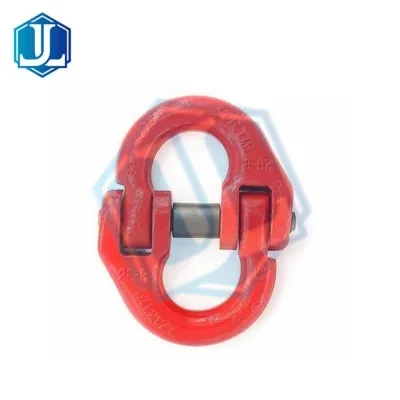
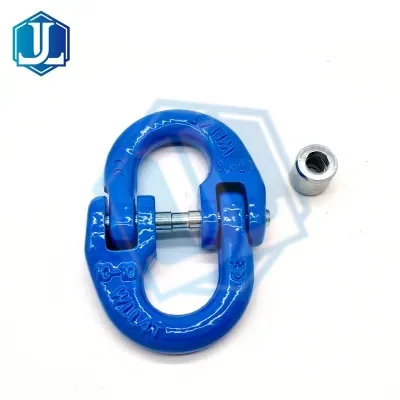
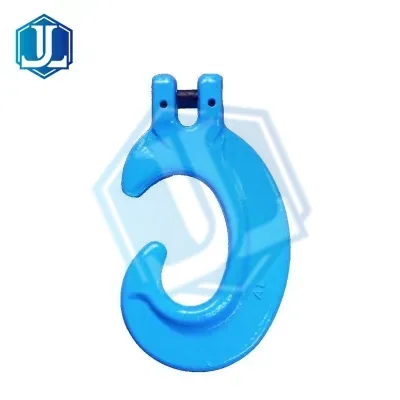
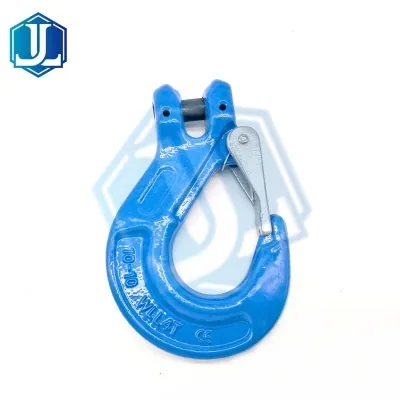
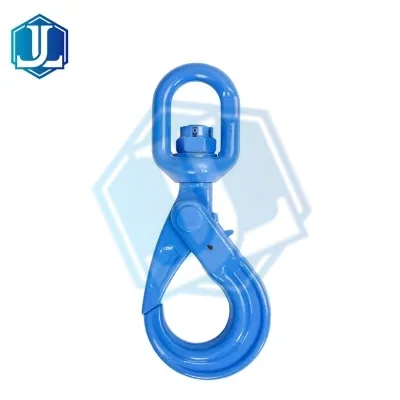
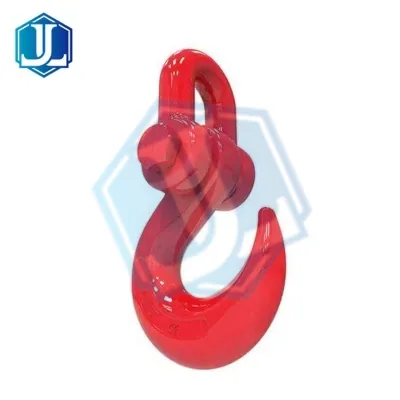
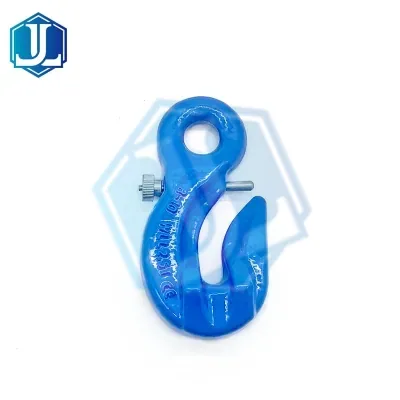
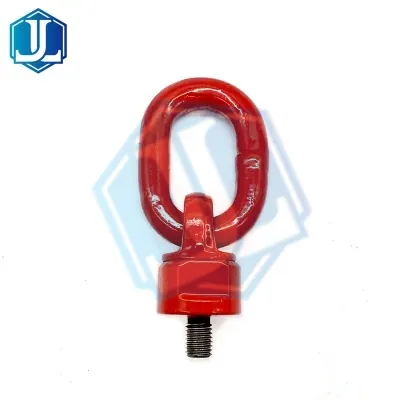
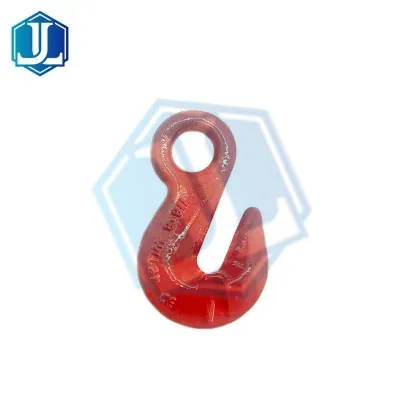
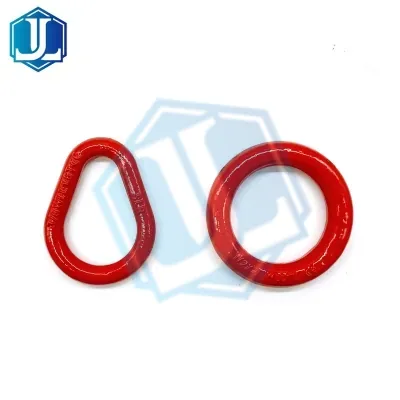
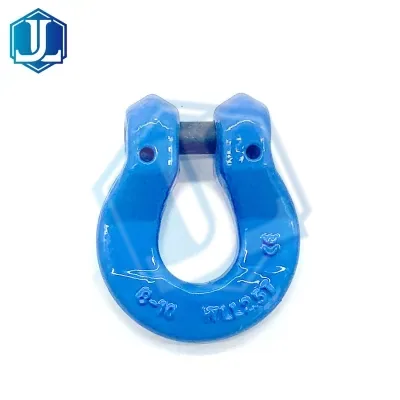
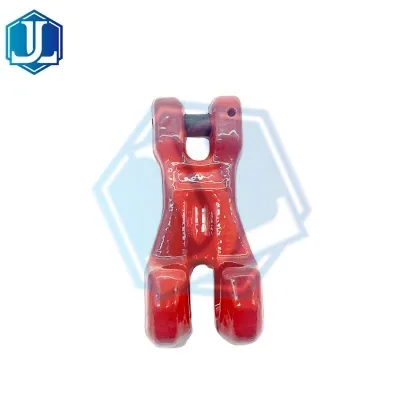
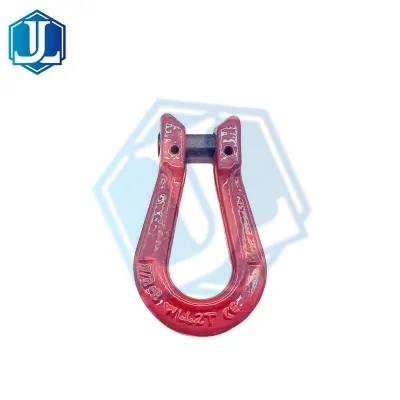
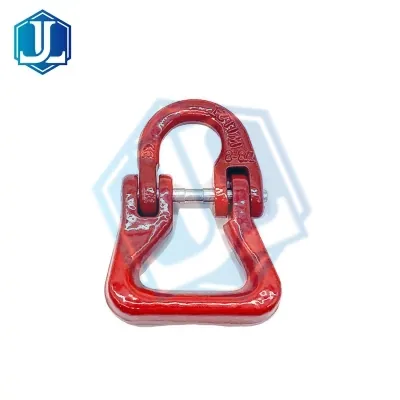
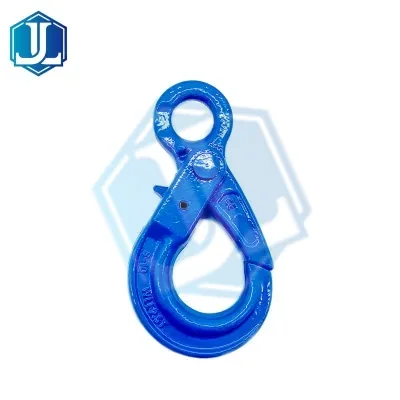
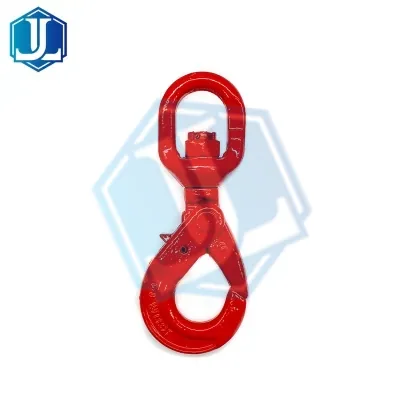
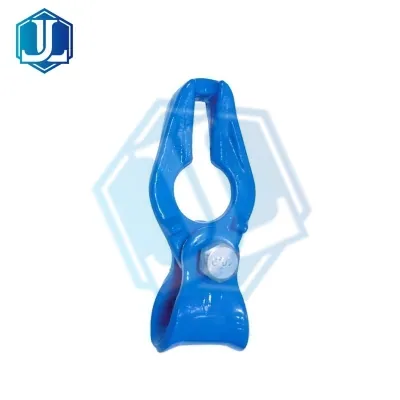
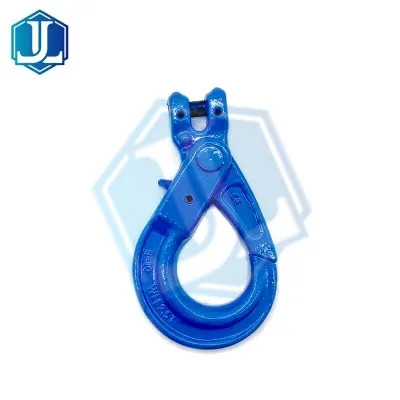
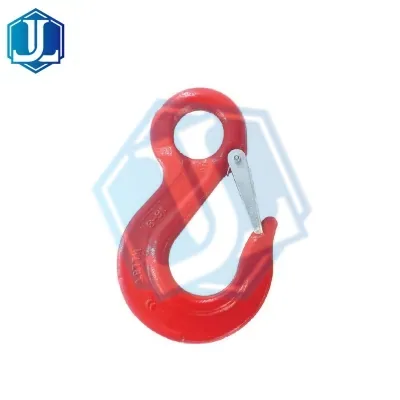
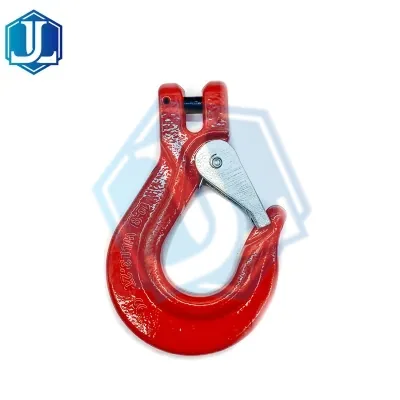
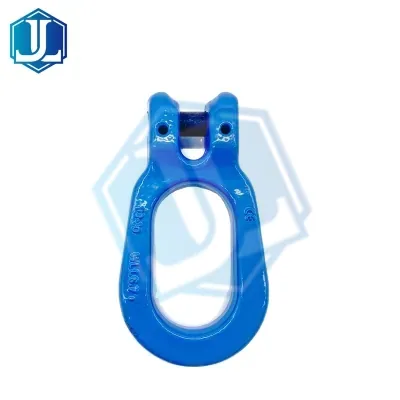
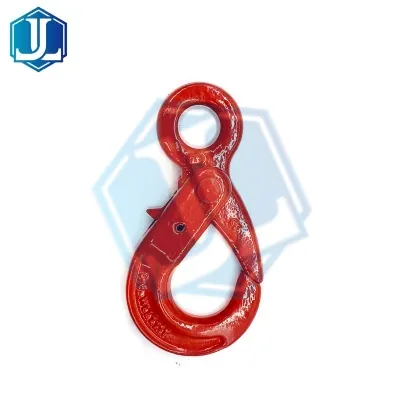
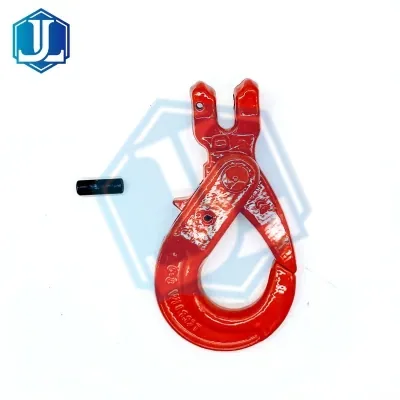
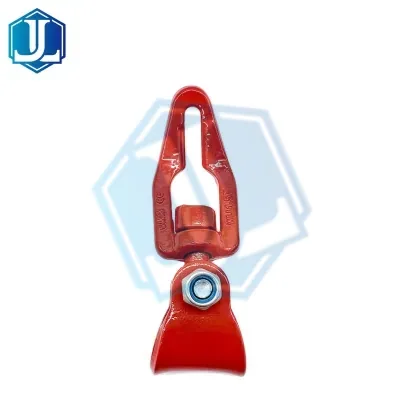
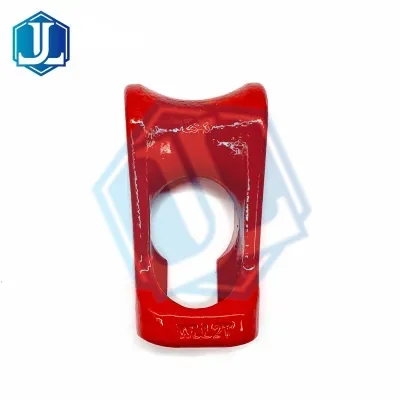
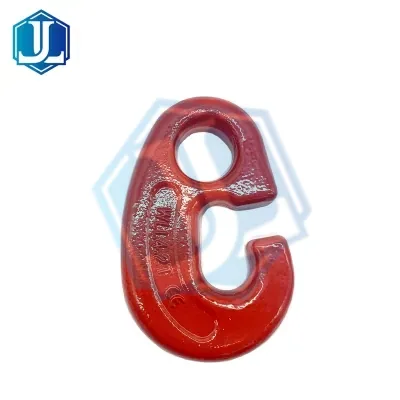
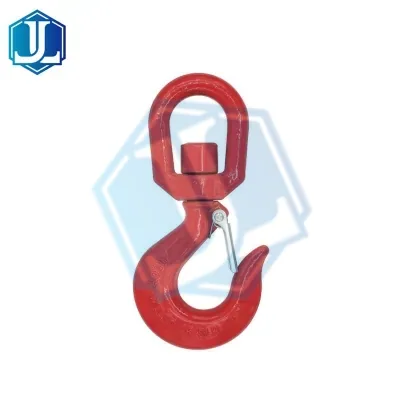
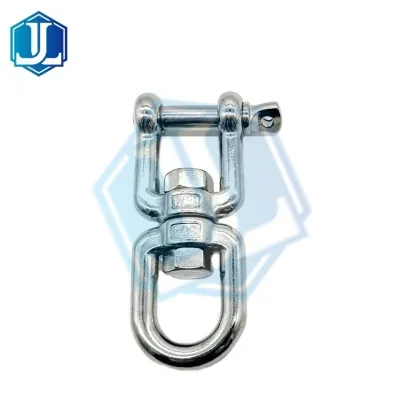
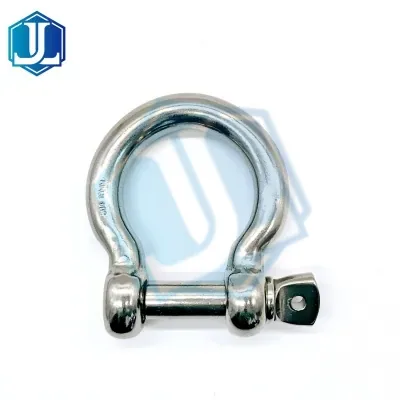
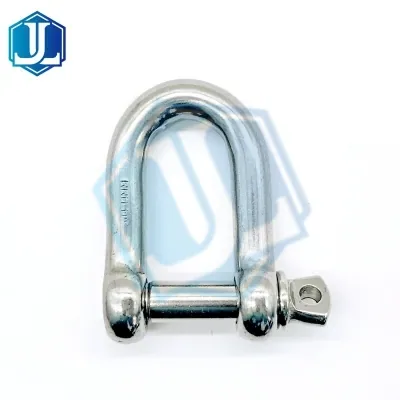
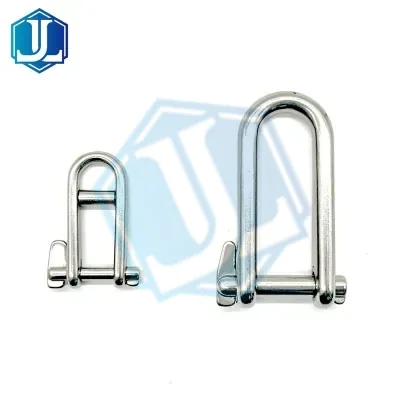

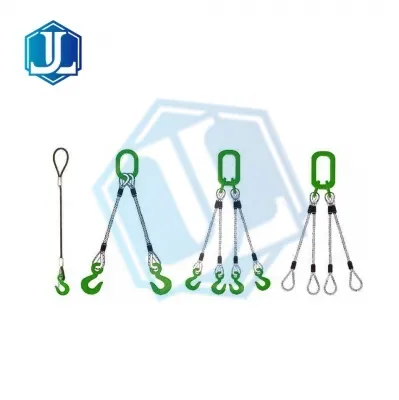
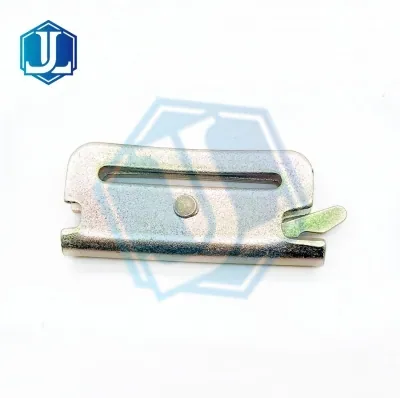
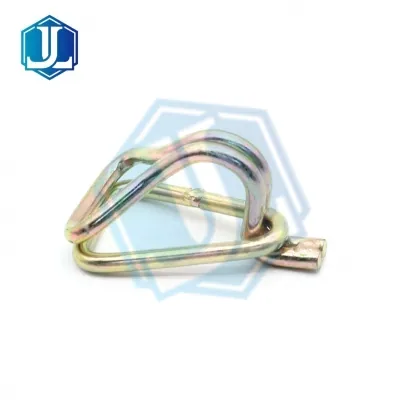
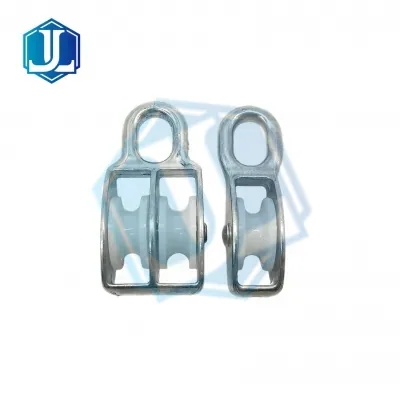
G80 or G100 — and the safety factor is 4:1, not 7:1
Steel chain sling components are rated at 4:1. Textile slings are rated at 7:1. Both are correct for their own standard, and this is the single most common misunderstanding we have to straighten out in a quote: you cannot move a capacity number from a webbing enquiry onto a chain assembly and expect the same result.
A proof load of 2.5 times the working load limit is applied to the assembly before it ships. What arrives with the fittings is a certificate stating the grade, the size and the proof load, not a promise.
| Grade | Material | Safety factor | Where it earns its place |
|---|---|---|---|
| G80 | Alloy steel, drop forged, quenched and tempered | 4:1 | General lifting chain, the world standard |
| G100 | Higher alloy, same forging route | 4:1 | Same chain size, roughly 25% more capacity |
| Stainless A4 / 316 | Austenitic stainless | 4:1 on the tag | Marine and washdown, lower rating than carbon steel |
Choose the hook by the job, not by the shape in the photo
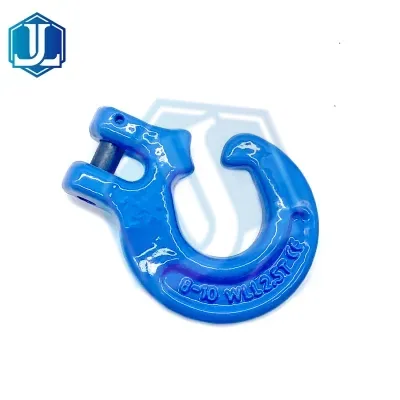
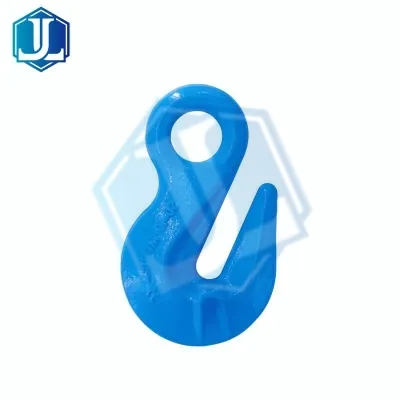
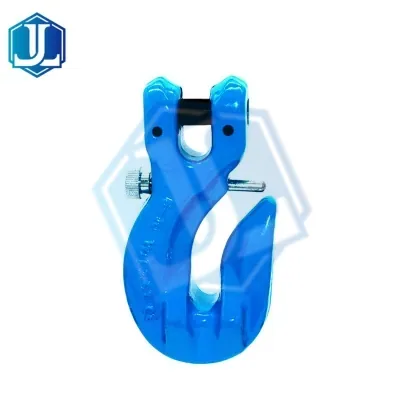
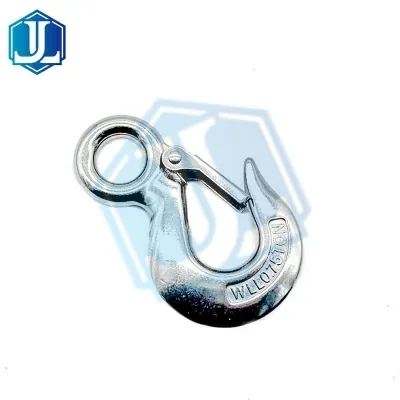
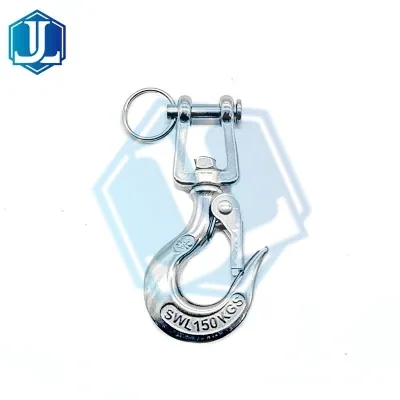
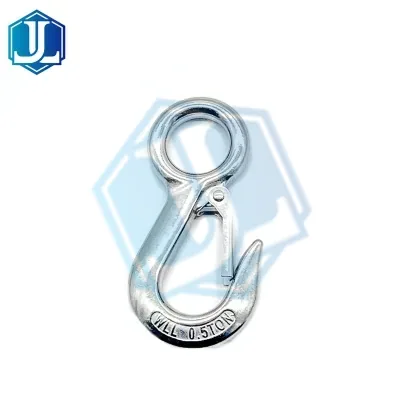
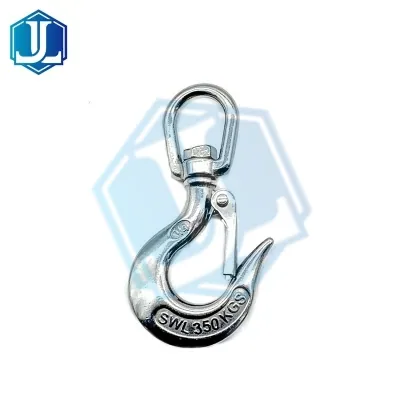
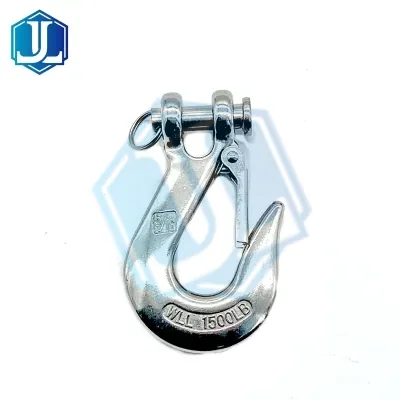
Every hook in this range is forged and proof loaded, so the question is never quality — it is which one the lift needs. Two hooks that look similar can differ in where the load actually sits, and that decides the rating.
| Hook | What it is for | What to watch |
|---|---|---|
| Sling hook, with latch | The end of a chain sling, load seated in the bowl | The latch must close on its own and must never be tied back |
| Clevis sling hook | Same job, pinned through the last link | Clevis pin and split pin are the wear points |
| Self-locking hook | Sling ends where the load can shake or roll | No latch to break; the trigger has to move freely |
| Grab hook | Shortening a chain, holding a link | It grips one link, so it is not a full bearing seat — rating is lower than a sling hook of the same size |
| Deep throat / foundry hook | Wide loads, castings, bundles | More reach than a standard hook; check the throat against the load |
| Forest / choker hook | Logging, choker on chain or rope | A choker end, not a general sling end |
Shackles: the pin type is what people get wrong
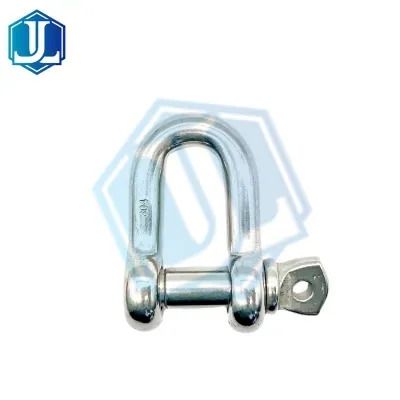
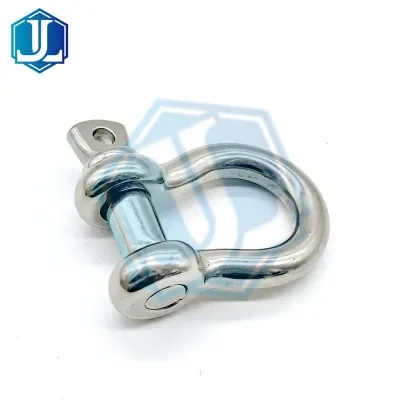
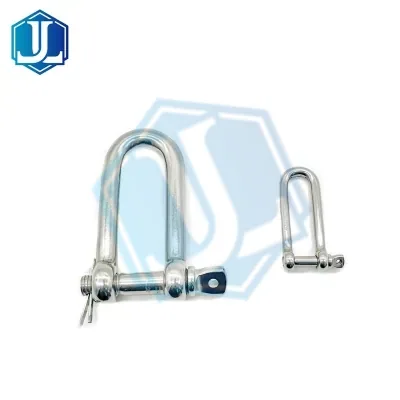
Bow or D is the easy part. A bow shackle has a wider body and takes multi-leg assemblies and chokers; a D shackle is narrower and is for a straight, in-line pull. The expensive mistake is the pin.
A screw pin has to be seated metal to metal, and it will back out under vibration. Where the load vibrates, is lifted repeatedly, or the shackle stays on the load, the bolt type with a nut and split pin is the correct choice, not an upgrade.
| Pin type | Fits | Use it when |
|---|---|---|
| Screw pin, G209 bow / G210 D | Temporary and frequent assembly | The pin can be fully tightened against the body every time |
| Bolt type, nut and split pin | Permanent or vibrating loads | The pin must not be able to rotate out |
| Key or halyard pin | Sailboat and rigging hardware | Quick release by hand, not for lifting duty |
304 or 316 stainless — and why the rating is lower
Stainless is chosen for corrosion, not for strength. The same size shackle in A4 / 316 will carry less than a carbon steel one, because austenitic stainless cannot be quenched and tempered to the same level. The tag on the part is the number that counts.
304 holds up in fresh water and general outdoor use. 316 carries molybdenum and is the grade for salt spray, seawater splash and washdown. If the part lives on a boat, we quote 316 — 304 there is a warranty claim waiting to happen.
Wire rope ends: clips, thimbles and ferrules
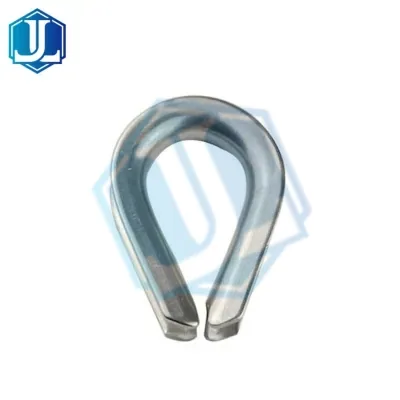
How you terminate the rope decides how much of its strength you keep. A U-bolt clip is the cheapest and the weakest; a pressed ferrule is the most consistent; a thimble is not a termination at all but the part that stops the eye from crushing the rope at the pin.
Clip assembly follows one rule that is written on every box and ignored constantly: the saddle goes on the live end, the U-bolt on the dead or short end. At least three clips, spaced about six rope diameters apart, with the first one a clip width back from the thimble.
| Fitting | What it does | The rule that matters |
|---|---|---|
| Wire rope clip, U-bolt | Forms an eye in the field | Saddle on the live end — never saddle a dead horse |
| Thimble | Lines the eye and protects the rope at the pin | Size it to the rope and the shackle, not to the eye |
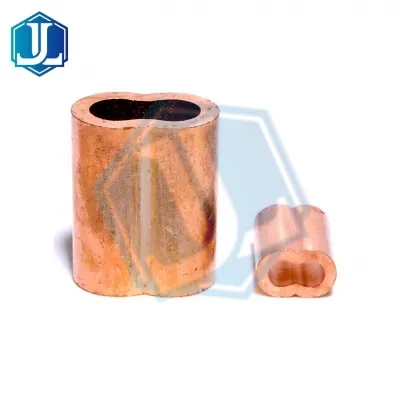
| Ferrule, aluminium or copper | Permanent pressed termination | Needs the right die and press; efficiency beats clips |
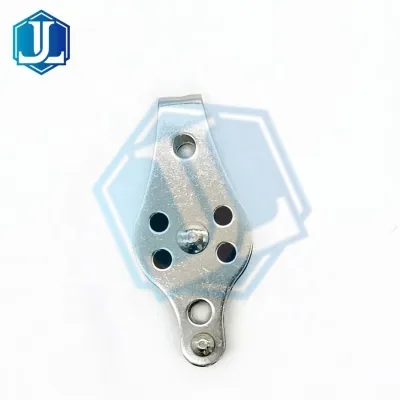
| Pulley or block | Changes direction or multiplies pull | Sheave diameter has to suit the rope diameter |
Turnbuckles and binders are not lifting gear
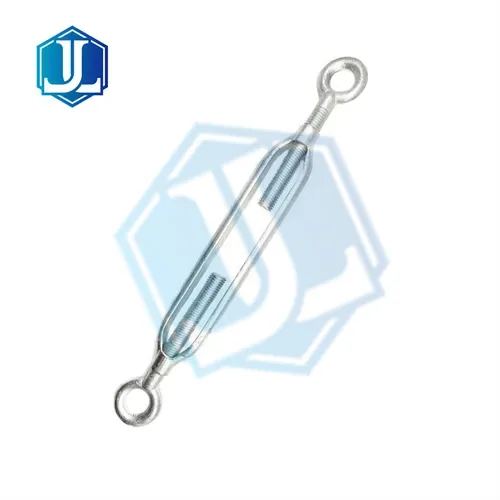
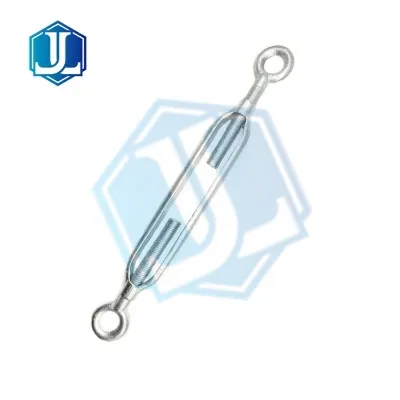
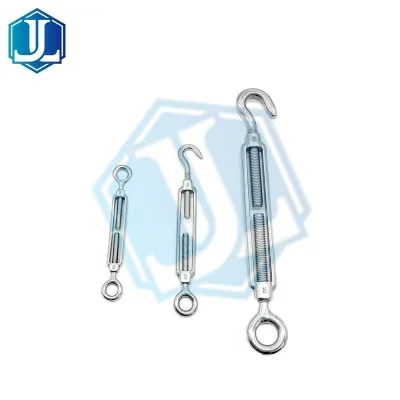
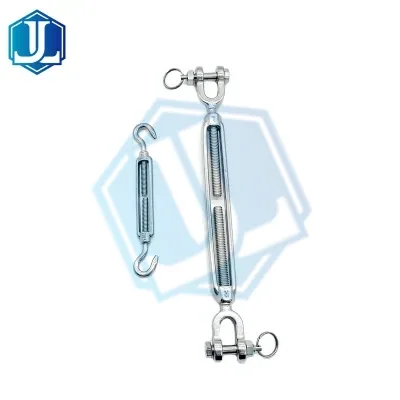
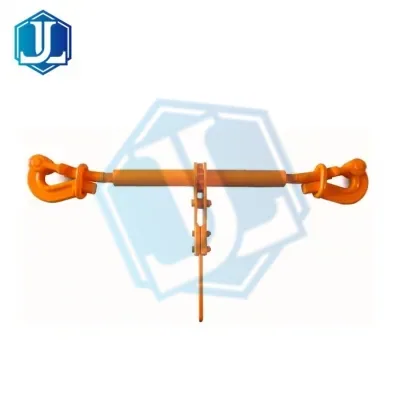
A turnbuckle tensions a guy wire, a stay or a lashing. A load binder tensions a chain on a flatbed. Neither is a lifting device, and neither may be used to lift a load — the standards, the safety factors and the inspection regime are different from lifting gear.
Eye and eye closes on a pin at both ends. Hook and eye is the one that comes apart quickly. Jaw and jaw is the rigid option for structural work. Tell us the thread and the take-up you need and we will quote the body type that fits.
Questions buyers ask before ordering
What safety factor do G80 and G100 fittings carry?+
4:1. Steel chain and chain components are rated at four times the working load limit, and each assembly is proof loaded to 2.5 times the WLL before it ships. Textile slings are rated 7:1 under EN 1492 — a different standard for a different product, not a stronger one.
Can I put a G100 hook on a G80 chain?+
It will fit, and that is the problem. The assembly is only as strong as its weakest part, so mixing grades gives you a G80 assembly with a more expensive hook on it. Keep the grade on the fitting the same as the grade on the chain, and if a mixed assembly is unavoidable, rate it to the lower grade in writing.
Screw pin or bolt type shackle?+
Screw pin where the shackle is assembled and taken apart by hand and can be fully tightened each time. Bolt type with a nut and split pin where the load vibrates, the lift repeats, or the shackle stays on the load — a screw pin can rotate out under vibration.
Why is a stainless shackle rated lower than the same size in carbon steel?+
Because austenitic stainless cannot be quenched and tempered to the same strength as alloy steel. The size is the same, the rating is not. Use the working load limit on the tag, and choose 316 rather than 304 anywhere chlorides are present.
How many wire rope clips do I need for one eye?+
At least three, spaced about six rope diameters apart, with the first clip roughly one clip width back from the thimble. The saddle goes on the live end and the U-bolt on the short end. A clipped eye is normally taken at about 80% of the rope's breaking strength, so allow for it in the design.
Do the fittings come with certificates?+
Yes. Each batch ships with a certificate stating the grade, size and proof load, and the parts are marked with the grade. Third-party inspection through TÜV or SGS can be arranged on request and adds lead time.
Need rigging hardware to your own specification?
Widths, lengths, colors, logo printing, hook types and packaging — all made to order. Send your drawing or reference sample.