Marine Hardware
Anchors and anchor chain, mooring and deck hardware, pneumatic fenders and the small stainless parts that hold a boat together. Most of what you see here is made to a drawing rather than pulled off a shelf, so send the sample or the sketch and we will match it.
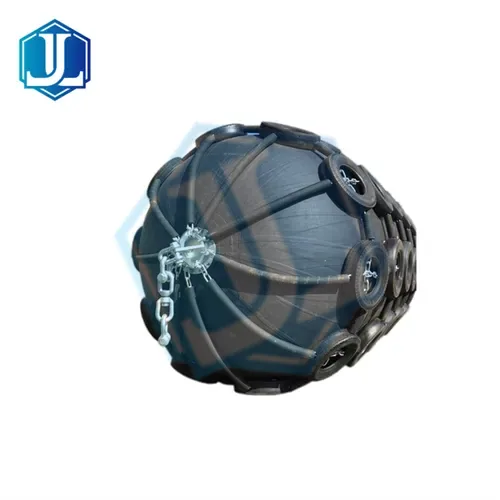
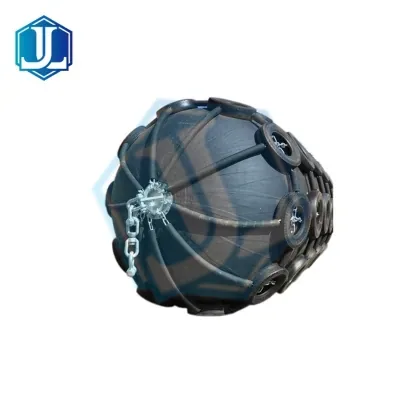
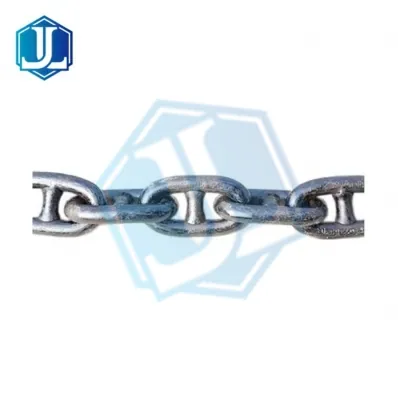
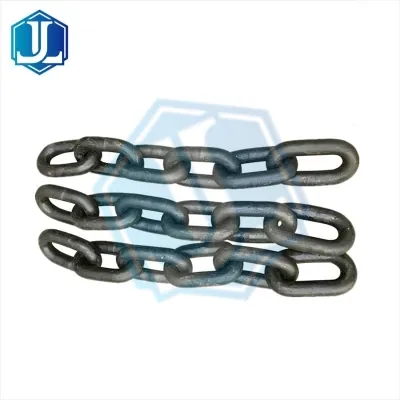
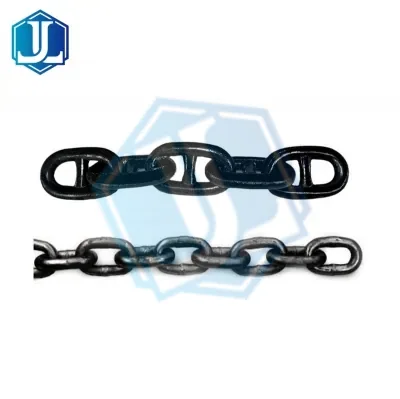
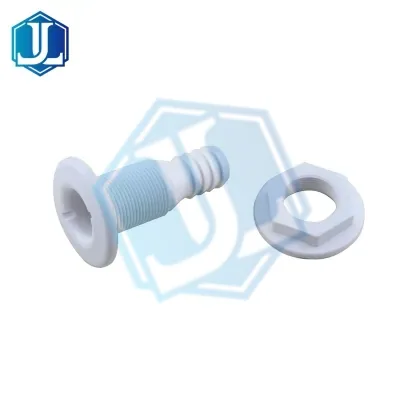
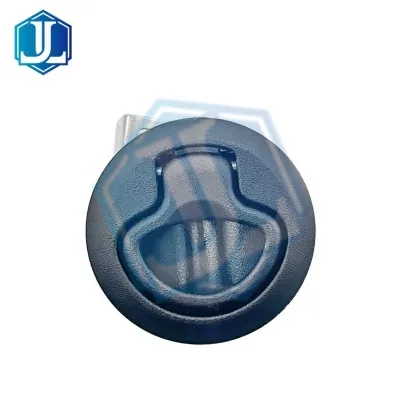
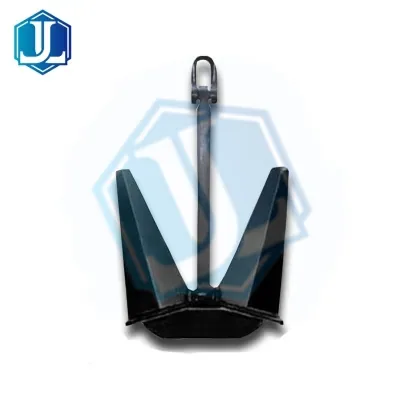
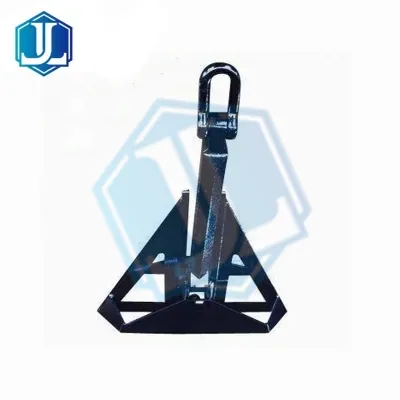
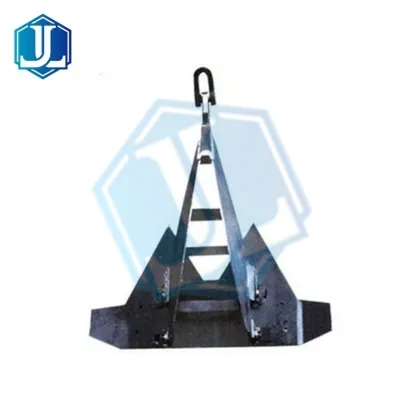
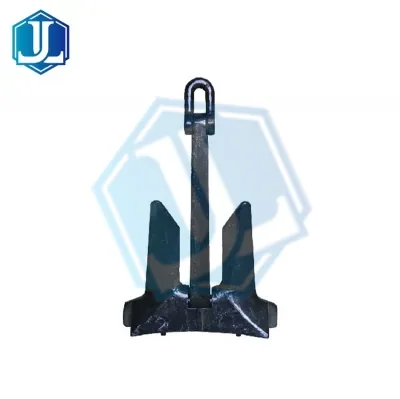
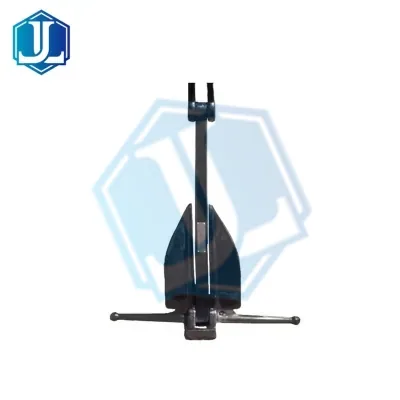
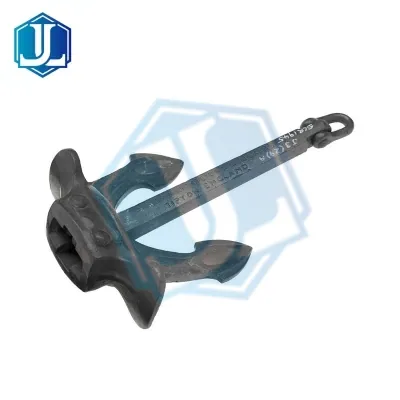
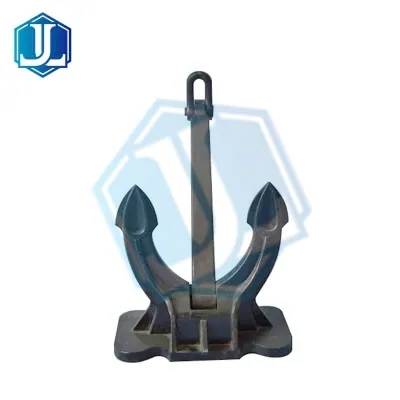
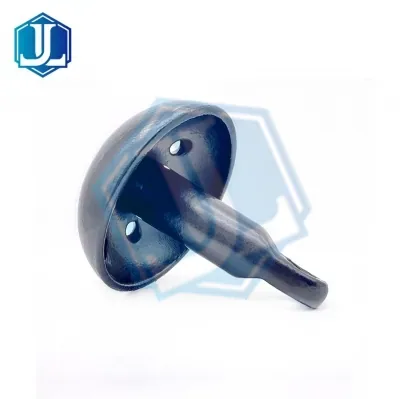
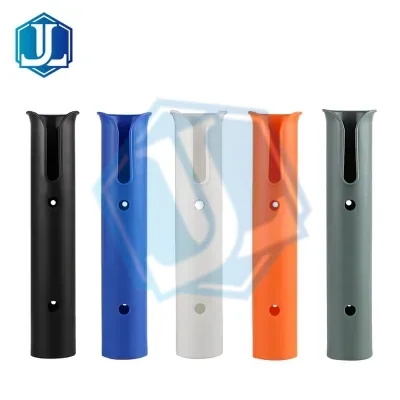
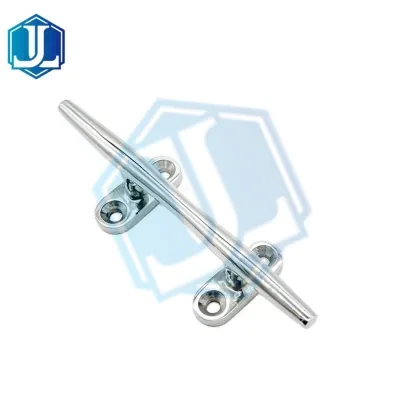
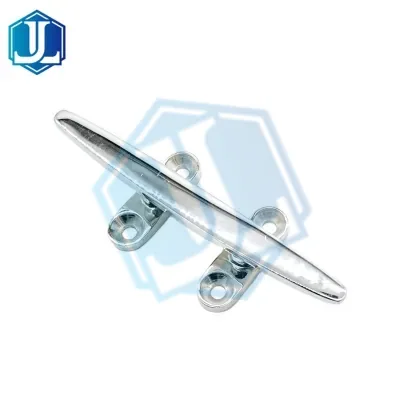
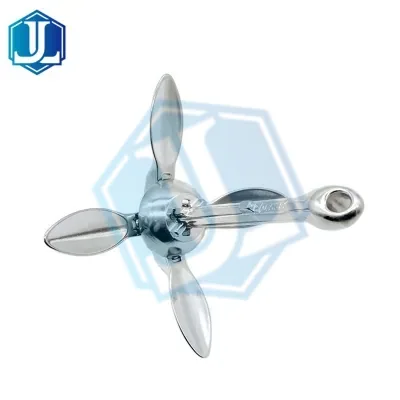
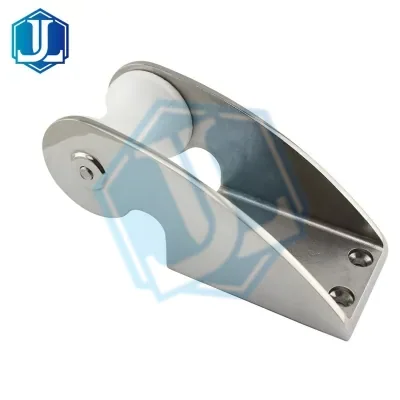
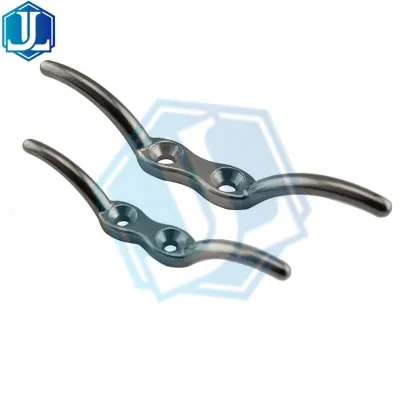
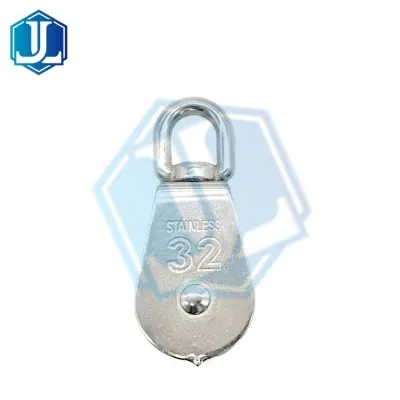
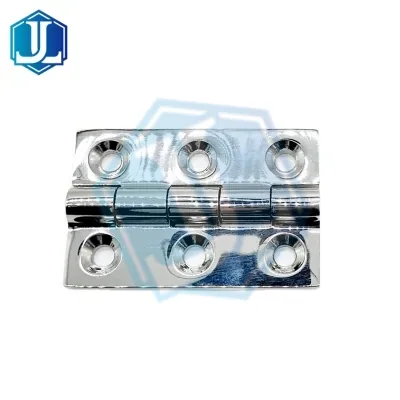
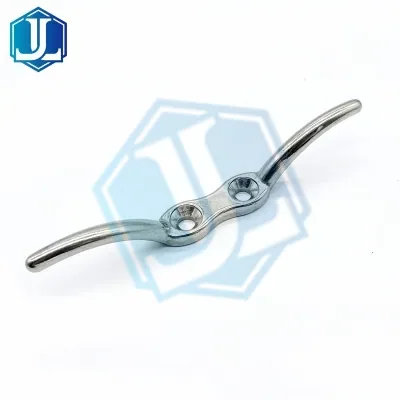
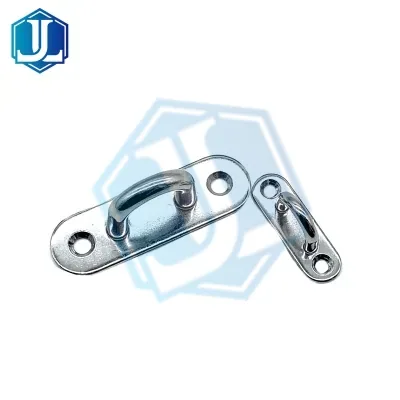
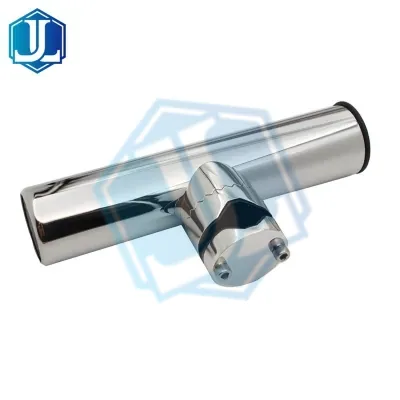
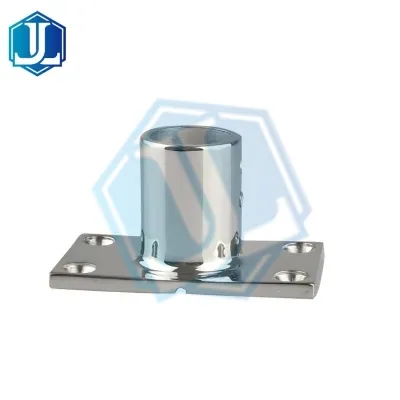
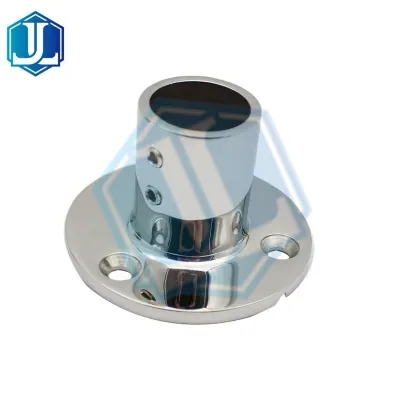
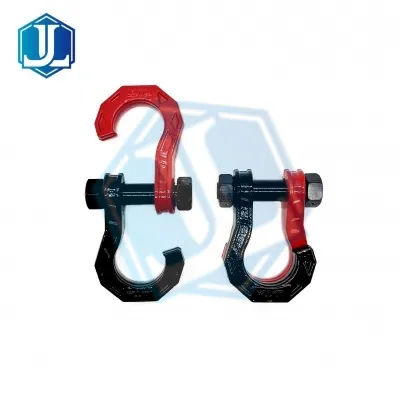
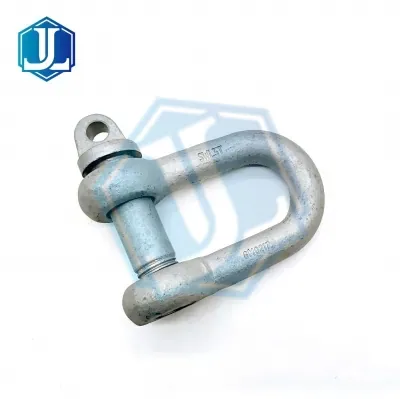
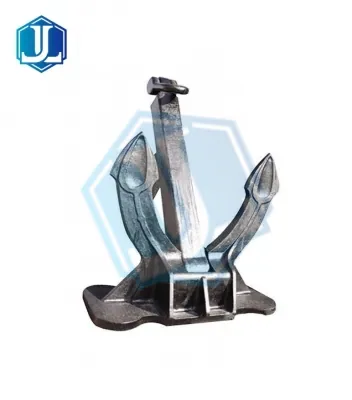
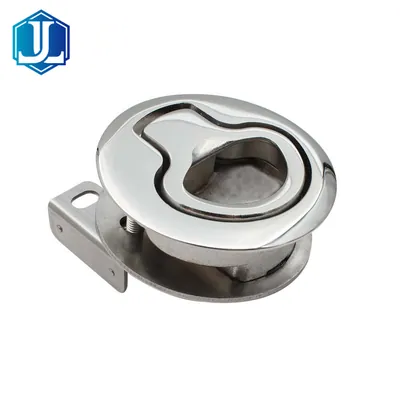
Four very different jobs share this category
A cleat, an anchor and a fender have nothing in common except that they all live on a boat. Before you compare prices, be clear about which of these four you are actually buying — they are specified, tested and replaced on completely different cycles.
| Group | What it does | Specified by | Replaced when |
|---|---|---|---|
| Anchors & chain | Holds the boat to the seabed | Vessel displacement, windage and holding ground | Worn, cracked or undersized for the boat |
| Mooring & deck hardware | Ties the boat to a dock or another boat | Line size and the loads it has to take | Bent, loose, or the deck around it is soft |
| Fenders | Absorbs berthing impact | Berthing energy of the vessel | Pressure loss, cuts, exposed cord |
| Small fittings | Hinges, latches, pulleys, rod holders | Fit and finish on a given panel | Seized, cracked, or cosmetic damage |
304 or 316 — and why the answer changes on a boat
Both are austenitic stainless steels and both look identical on a shelf. The difference is roughly 2% molybdenum in 316, which is what buys resistance to the chloride pitting that salt spray causes. In fresh water and dry interiors 304 is fine; once the part lives in spray, splash or bilge water, 316 is the sane default.
316 is not stainless in the sense most buyers mean. It still stains, it still pits under a dried salt film, and it will still crevice-corrode under a tight joint. Rinse it with fresh water and the difference in service life is dramatic; never rinse it and 316 will disappoint you too.
| Where the part lives | Grade we would ship | Why |
|---|---|---|
| Dry interior, lockers, cabin trim | 304 | No chloride load; 316 buys nothing |
| Above deck, rails, cleats, rod holders | 316 | Salt spray dries on the surface between rinses |
| At or below the waterline, through-hull | 316 | Continuous immersion is the worst case for pitting |
| Bilge, engine room, exhaust zone | 316 | Warm plus salty plus often damp |
| Buried in a laminate or sealed joint | 316 + isolation | Crevice corrosion starts where water cannot leave |
Anchors: holding power is a class-society label, not a marketing word
High holding power (HHP) and super high holding power (SHHP) are classification-society designations, not adjectives a factory can put on a box. A certified HHP anchor of a given mass develops at least twice the holding power of a conventional stockless anchor of the same mass; an SHHP design develops at least four times.
That ratio is the whole point: with HHP or SHHP you carry less anchor for the same holding, which is why an undersized-looking anchor on a modern boat can outperform a much heavier old one. It is also why an anchor has no working load limit. There is no WLL to read off an anchor, because holding power depends on the seabed as much as on the steel — sand, mud, weed and rock change the answer completely.
| Designation | Minimum holding power vs conventional stockless anchor of same mass | Typical use |
|---|---|---|
| Conventional stockless | 1× (baseline) | Older tonnage, budget fit-out |
| HHP (e.g. AC-14, Delta / flipper, Stevpris MK5) | ≥ 2× | Most working boats and yachts today |
| SHHP | ≥ 4× | Where anchor mass must stay low or holding ground is poor |
Sizing an anchor and its chain: it starts with a number, not a guess
Classification societies size ground tackle from the equipment number (often written EN or Z), calculated from the vessel's displacement, beam, hull height and windage area:
EN = Δ^(2/3) + 2·B·h + 0.1·A
where Δ is moulded displacement, B is beam, h is the height from the waterline to the top of the highest deckhouse, and A is the projected lateral area above the waterline. The resulting equipment number is what class rules turn into a required anchor mass and chain diameter. If you can give us displacement and beam we can tell you which of our sizes the rules point at — but the final sign-off belongs to the class society or flag state, not to us.
Anchor chain: stud link or studless, and the grades that matter
Chain is supplied and priced by the shot. One shot is 27.5 m, so a length quoted as 'three shots' is 82.5 m — worth checking before you compare two quotes that look close. Stud link chain is normally paired with a Kenter (or similar) joining link to close the loop, an end shackle to connect to the anchor, and a swivel so the chain does not wind itself into a knot as the boat swings.
Do not mix grades in one run, and do not fit a lifting chain in place of ground tackle: a chain made to a lifting standard such as EN 818-2 is designed and marked for overhead lifting, which is a different duty again.
| Chain grade | Minimum tensile strength | Where it is used |
|---|---|---|
| R3 | 690 N/mm² | Lighter ground tackle |
| R4 | 860 N/mm² | Common working standard |
| R5 | 960 N/mm² | Where chain diameter must stay small for the load |
Galvanized or stainless — and never bolt them together
Hot-dip galvanizing protects steel by putting a sacrificial zinc layer on it: the zinc corrodes first, and the steel underneath stays intact until the zinc is gone. It is cheap, it takes abuse, and it is the right answer for anchors, chain and anything buried or hidden.
The trap is mixing metals. Bolt a stainless fitting against galvanized steel, or bed stainless in an aluminium hull without isolation, and you have built a battery: the less noble metal corrodes fast and quietly, out of sight under the fitting. If the two have to meet, isolate them — a plastic or neoprene gasket, a sleeve through the bolt hole, and a sealant that keeps water out of the gap.
| Question | Galvanized steel | 316 stainless |
|---|---|---|
| Initial cost | Lower | Higher |
| Best at | Anchors, chain, buried or structural parts | Visible deck hardware, rails, small parts |
| Failure mode | Zinc is consumed, then rust starts | Pitting and crevice corrosion under deposits |
| Safe next to aluminium | No — isolate it | No — isolate it |
| Safe next to carbon steel | Yes, same family | No — isolate it |
Pneumatic fenders: what ISO 17357 actually fixes
Sizing is an energy problem, not a diameter problem: berthing energy comes from the displacement and the approach velocity, and the fender's GEA at 60% has to cover it while the reaction force stays within what the hull can take. Send us displacement, approach speed and hull type and we will size it with you.
| Choice | Type I net type | Type II sling type |
|---|---|---|
| Protection | Very high | Moderate |
| Weight | Heavy | Light |
| Best for | Ship-to-ship, tankers, permanent berths | Yachts, cruise, painted hulls |
| Abrasion life | Longest | Shorter — net is what takes the wear |
| Marking risk on hull | Higher | Lower |
Fitting it: most failures happen at the deck, not in the part
Deck hardware rarely fails because the casting broke. It fails because the load went into the deck and the deck gave way, or because two metals met and one of them disappeared.
- Bed every loaded fitting on a backing plate so the load spreads into the structure instead of crushing the core.
- Isolate dissimilar metals — stainless against aluminium or against galvanized steel — with a gasket and a sleeved bolt hole.
- Use 316 fasteners with 316 fittings; a stainless bracket held down with plated bolts is a bracket with a built-in expiry date.
- Seal every penetration. Water in a core is far more expensive than the fitting that let it in.
- Re-torque after the first season, then inspect annually: look for hairline cracks at welds, elongated holes and any rust bleed from under a flange.
Questions buyers ask before ordering
Is 316 stainless really rust-proof?+
No. 316 resists chloride pitting far better than 304, which is why it is the right grade for boats, but it will still stain under a dried salt film and it will still crevice-corrode in a tight, damp joint. Rinse with fresh water and inspect annually; the rust you usually see is contamination on the surface, not the part failing.
Does an anchor have a working load limit?+
No. Holding power is not a WLL — it depends on the seabed as much as on the anchor. What is standardised is the HHP and SHHP designation: a certified HHP anchor develops at least twice the holding power of a conventional stockless anchor of the same mass, and SHHP at least four times. There is still no single 'safe load' number you can read off the anchor.
How do I know what size anchor and chain my boat needs?+
Classification societies work from the equipment number, EN = Δ^(2/3) + 2·B·h + 0.1·A, using displacement, beam, hull height and windage area. Give us those figures and we will point you at the sizes the rules indicate, but the final approval sits with the class society or flag state.
Stud link or studless chain?+
Stud link resists deformation and is the traditional ground tackle choice for ships; studless is lighter for its strength and suits boats where bow weight matters. Both are bought by grade — R3 at 690 N/mm², R4 at 860 N/mm², R5 at 960 N/mm² — and the chain is supplied in shots of 27.5 m.
Can I bolt stainless fittings onto galvanized chain or steel?+
Not directly. You would be joining two metals with different nobility, and the less noble one corrodes where you cannot see it. Isolate them with a gasket, sleeve the bolt holes and seal the joint — or keep each fitting in its own metal family.
P50 or P80 for a fender?+
P50 runs at 50 kPa and gives a softer berth with lower reaction force, which suits yachts, aluminium hulls and LNG work. P80 runs at 80 kPa and absorbs more energy from the same size at a higher reaction force, which suits heavy ship-to-ship work. Never inflate a P50 body to 80 kPa.
Can you make marine hardware to our drawing?+
Yes — most of this catalog is built to customer drawings or samples. Send a drawing, a photo or a physical sample with the quantity and the grade you need; castings and forgings carry longer lead times than the machined and folded stainless parts.
Browse Marine Hardware by type
Need marine hardware to your own specification?
Widths, lengths, colors, logo printing, hook types and packaging — all made to order. Send your drawing or reference sample.